Explore

Simplify NERC CIP Compliance and Audit Readiness

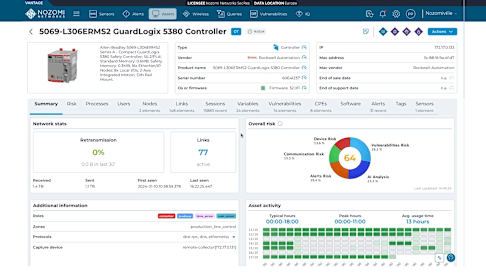
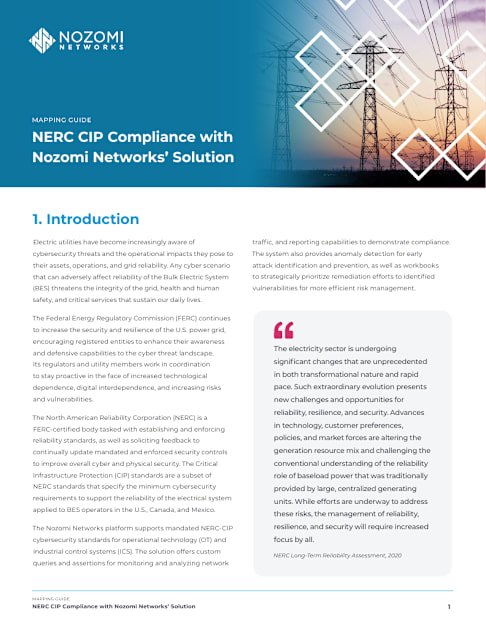
Turn continuous OT visibility and monitoring into evidence for NERC CIP compliance. The Nozomi Networks platform helps streamline compliance activities as part of normal operations, while integrating with your existing technology stack to minimize additional investment.

Where Are You in Your CIP-015 Journey?

Your CIP-015 Journey

Step 1 - Plan

Scoping My INSM Program


Start with the requirements. Understand what CIP-015-1 asks of your organization, what CIP-015-2 will add, and what early adopters are learning as they build their INSM programs...

Step 2 - Build

Designing and Deploying INSM


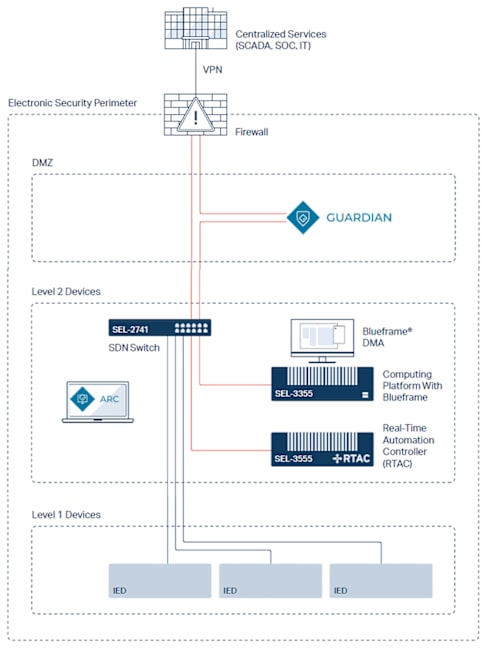
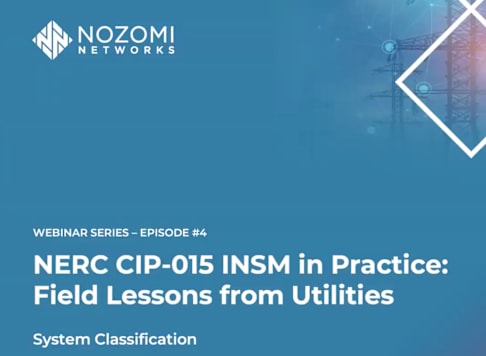
Get the architecture right the first time. Learn how to classify your INSM system, where to place sensors, which network data feeds to collect, and how to tune anomaly detection...

Step 3 - Prove

Operating and Preparing for Audit


Turn monitoring into evidence. Learn what evidence to collect, how to store and retain it, and how to meet CIP-015 evidence requirements so you can walk into your audit with con...

Want the full picture? Watch the complete NERC CIP-015 series below ↓
Anchor: on-demand

See NERC CIP-015 INSM in Practice

Get practical, real-world guidance from Nozomi Networks and industry experts on INSM strategy, implementation, sensor placement, network data feeds, anomaly detection, evidence collection, and audit readiness.

Explore

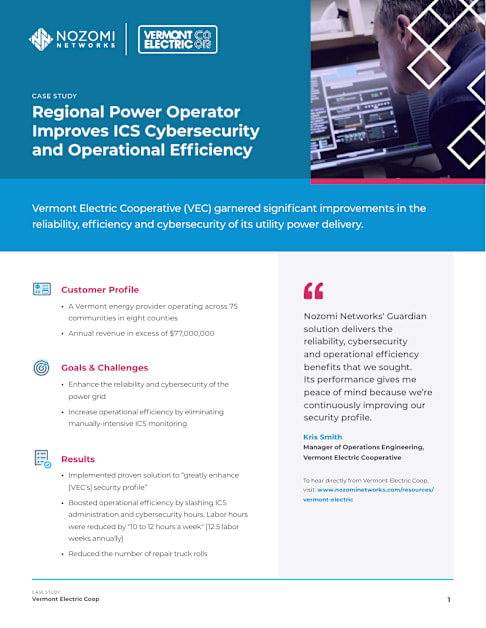
See How Vermont Electric Co-op Secures the Grid

Vermont Electric Cooperative delivers reliable power to 75 communities across eight counties. Its operations team was stitching together data from three separate systems by hand. With Nozomi Networks, they now see every network asset and how it communicates, get real-time alerts on anomalies, and save 10–12 hours of manual work every week.

CUSTOMER SPOTLIGHT - ELECTRIC UTILITY

“Nozomi Networks' Guardian solution delivers the reliability, cybersecurity and operational efficiency benefits that we sought. Its performance gives me peace of mind because we’re continuously improving our security profile.”  Kris Smith Manager of Operations Engineering Vermont Electric Cooperative

Why Nozomi Networks

How Nozomi Networks Simplifies NERC CIP Compliance

We understand the complexities and burden of NERC CIP-015-1 compliance for responsible entities.

Compliance Assurance

  • Audit-ready evidence generation mapped directly to CIP-015-1 INSM requirements
  • Nozomi NERC CIP SMEs who support our customers' programs and evidence needs
  • Data retention, management, and redundancy that meet evidence retention requirements

Seamless Program Integration

  • Easy incorporation into your existing NERC CIP program
  • An extensive set of native integrations to common industry tools
  • Integration into your environment with assurance of operational uptime

Flexible & Scalable Approach

  • Scalable from a single sensor to a multi-tier enterprise architecture
  • On-prem, Hybrid, and SaaS (Licensing Only) deployment options
  • Wide range of sensor options, including embedded, lightweight, endpoint, virtual, and physical

Explore

Prepare for What’s Next
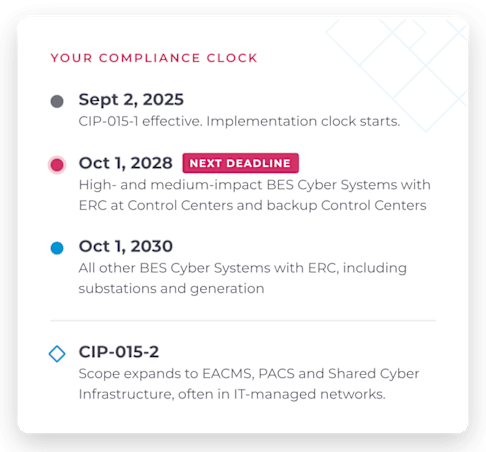
NERC CIP-015-2 will expand INSM beyond the electronic security perimeter

NERC CIP-015-2 is poised to significantly expand Internal Network Security Monitoring (INSM) requirements beyond the traditional Electronic Security Perimeter (ESP), introducing new considerations for Electronic Access Control and Monitoring Systems (EACMS) and Physical Access Control Systems (PACS). For utilities, this evolution will likely drive important architectural, operational, and compliance changes that impact how internal OT networks are monitored, secured, and managed. Understanding what these changes mean for your environment — and how to prepare your INSM strategy accordingly — will be critical for reducing regulatory risk and maintaining compliance readiness.

Learn more about what’s changing and how utilities can prepare for the next phase of NERC CIP-015 requirements.

Navigate NERC CIP-015 with Practical Guidance

Explore insights from early implementations, including common pitfalls, sensor placement, system classification, anomaly detection, and other considerations for building an effective INSM program.